

How to log jewelry without losing the details
A practical way to document rings, watches, and heirloom pieces so descriptions stay accurate over time.
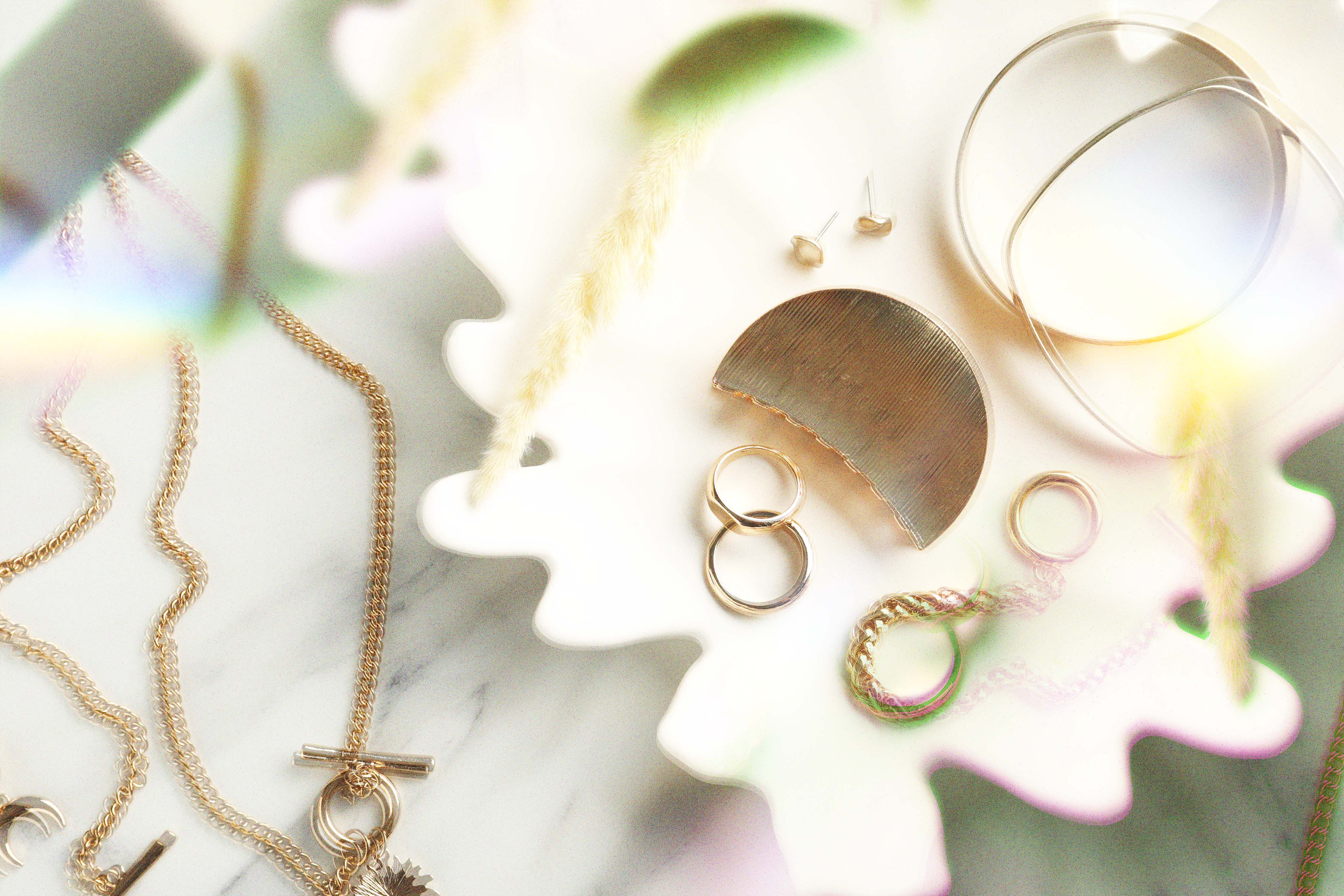
Jewelry is where vague notes fail first. A gold necklace tells you almost nothing when you later need an independent appraisal, an insurance conversation, or simply proof of what left the house. Treat each piece like a field entry: photo first, measurable facts second, story last. The free Apogee inventory is built for that discipline, not for marketing copy about the piece.
Sentiment belongs in a separate sentence if you need it. The record itself should survive a stranger reading it. An independent licensed appraiser, an insurer, or a future you packing boxes should be able to identify the object from what you wrote and shot, without calling a relative for clarification.
Metal and construction
- Metal if known, and how you know it, whether from a stamp, a test, or a family record
- Chain, setting, clasp, and any missing parts
- Approximate length, ring size, or dimensions you can measure today
- Weight only when you can measure it safely without scratching soft gold
If you do not know the metal, say so. An honest blank is more useful than a confident guess that an appraiser has to unwind later. Yellow metal, unmarked is a usable note. Definitely 18k without a stamp or test is a story waiting to be contradicted.
Marks, stones, and condition
- Hallmarks, maker's marks, and inscribed dates, photographed straight on
- Stone counts, obvious chips, loose settings, and worn prongs
- Prior repairs you can see, even if you do not know who did them
- Missing stones or bent findings called out in one plain sentence
One overall photo, one clasp or hallmark close-up, and one sentence of condition notes will outlast a paragraph of adjectives with no images.
Watches and paired pieces
Case back, reference if visible, bracelet or strap condition, and whether the piece runs are the minimum. For pairs or suites, photograph them together once, then each piece alone so a later sale of one item does not erase the record of the set. Keep boxes and papers in the same inventory entry when you still have them, because they are part of the record, not decoration.
If a watch does not run, say so. If a clasp is replaced, say so. Condition surprises are expensive in conversations that depend on documentation.
- Clear the surface and shoot the whole piece.
- Add close-ups of marks and damage.
- Write metal, marks, stones, and condition in the same inventory entry.
- Store the entry under jewelry, not in a generic miscellaneous album.
- Request an Item Appraisal only when you need a documented number from an independent licensed appraiser.
When the inventory is enough, and when it is not
The free inventory is enough when you need organization, backup, and a clear picture of what you own. It is not enough when a decision requires a documented third-party number. That is the Item Appraisal step at $149 per item, prepared by an independent licensed appraiser, never a figure invented by Apogee staff.
- Inventory alone covers packing, moving, remembering, and proving what left the house
- Inventory plus appraisal covers a sale, a consignment, or any conversation that asks for a written valuation
Apogee Asset does not buy, sell, broker, or consign jewelry, and does not guarantee any appraised value or sale outcome. The free inventory holds the photos and notes. The appraisal, when requested, is a separate third-party report.
Stuck on how much detail is enough? Email support@apogeeasset.com or call (888) 338-7249.